Roof Requirements for Solar Panels: What Pennsylvania Homeowners Need to Know
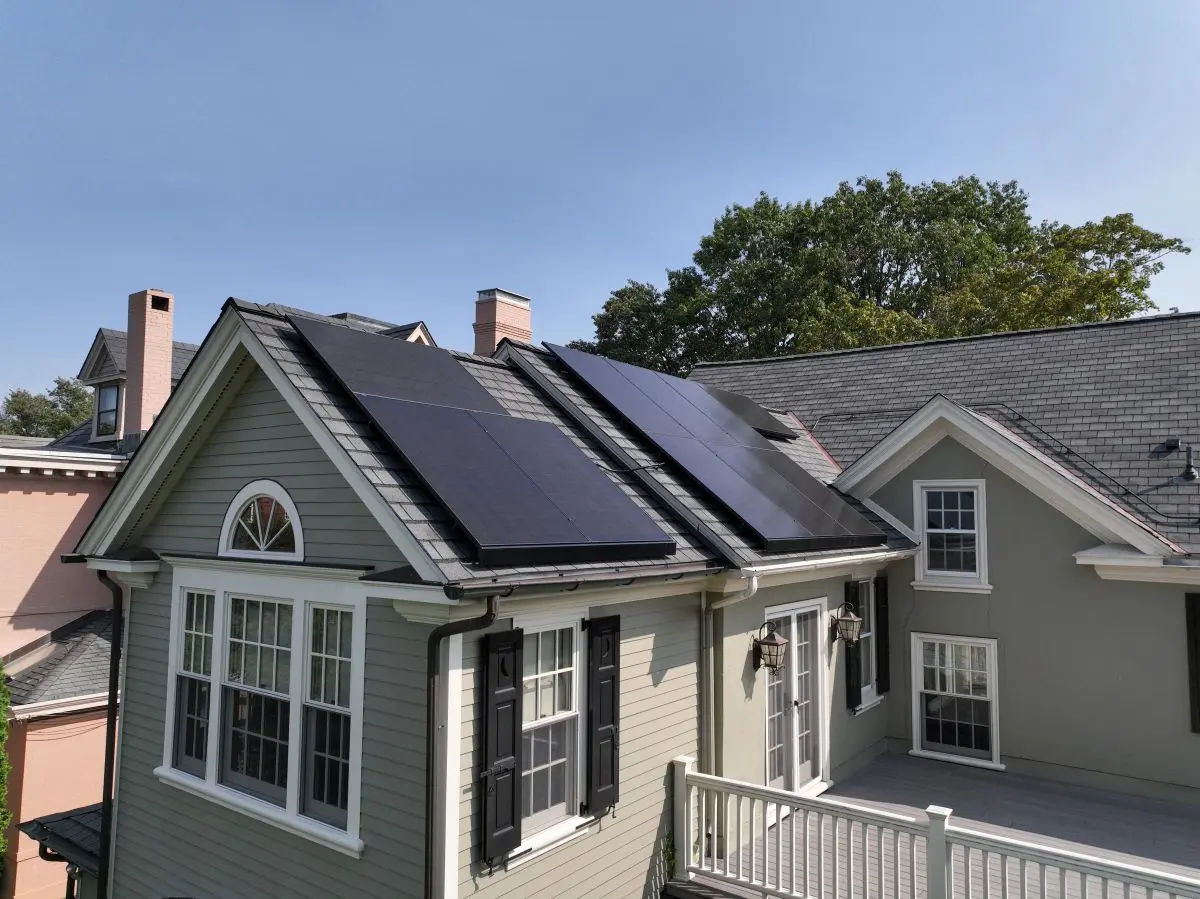
Roof requirements for solar panels are the first thing every Pennsylvania homeowner should understand, because a system built to last 25 years or more is only as sound as the roof beneath it. Age, condition, orientation, pitch, structural strength, and material all determine whether your roof is ready for solar today, or whether some work should come first. This guide walks through each requirement in plain terms so you can tell whether your home qualifies and what to do if it does not yet.
Here is what you will learn:
- The core requirements: The age, condition, orientation, pitch, and structural factors that make a roof solar-ready.
- Material and layout: How your roofing material and available space affect an installation.
- Honest next steps: What to do if your roof is not ready, and how O’Donnell Solar Co. evaluates it.

What Are the Basic Roof Requirements for Solar Panels?
A solar-ready roof needs sufficient remaining lifespan, sound structure, adequate unshaded space, and workable orientation and pitch. Meeting these requirements protects both your energy system and the roof it sits on for decades.
How Old Should Your Roof Be for Solar Panels?
A roof should generally be no more than five to seven years old, or newly replaced, before solar panels are installed. Because a modern photovoltaic system produces energy for 25 years or more, it should sit on a roof capable of lasting at least that long, otherwise you risk paying to remove and reinstall the array when the shingles fail. O’Donnell Solar Co. only installs on roofs in genuinely good condition, and as the sister company to O’Donnell Roofing, we assess roof age and health honestly before recommending solar. If your roof is near the end of its life, replacing it first is the smarter path.
- Ideal age: A roof one to five years old is the best candidate for solar.
- Caution range: Shingles five to seven years old warrant a close inspection first.
- Replace first: An aging roof should be replaced before panels go on.
- Honest assessment: We tell you if the roof is not ready, even if that means waiting.
What Condition Does Your Roof Need to Be In?
Your roof must be structurally sound and free of underlying damage before any panels are mounted. A qualified installer looks past surface appearance to check the decking, flashing, ventilation, and fasteners, because a roof that looks fine can still hide rot, leaks, or weak sheathing that would compromise a solar installation. Addressing these issues before installation prevents costly problems later, since fixing a roof under an existing array means removing and reinstalling the whole system. A thorough condition assessment is the foundation of every responsible solar decision.
- Sound decking: The surface beneath the shingles must be strong enough to anchor mounts.
- No hidden damage: Rot, leaks, and weak sheathing must be addressed first.
- Proper flashing: Existing flashing and penetrations should be watertight.
- Ventilation: Adequate attic airflow protects both roof and system life.
How Do Orientation and Pitch Affect Solar Panels?
Orientation and pitch determine how much sunlight your panels capture and therefore how much energy they produce. While a wide range of roofs work well, some directions and angles yield more output than others.
What Roof Direction Is Best for Solar Panels?
South-facing roofs produce the most electricity for solar panels in Pennsylvania, though east- and west-facing roofs still work well. A south-facing surface captures the most sunlight across the day, while east- and west-facing panels typically produce roughly 10 to 15 percent less, which rarely makes solar uneconomical. What matters most is minimizing shade from trees, chimneys, and neighboring structures during peak sun hours. O’Donnell Solar Co. runs a shading and orientation analysis on your specific roof and designs the layout to capture the most production your home allows, including custom options when the main roof is not ideal.
- South is best: South-facing surfaces generate the most electricity in Pennsylvania.
- East and west work: These orientations lose only about 10 to 15 percent of output.
- Shade is the enemy: Trees and chimneys cut production more than orientation alone.
- Custom design: We tailor the layout to your roof’s actual exposure.
What Roof Pitch Works for Solar Panels?
Most roof pitches work for solar, with angles between about 15 and 40 degrees considered ideal for production. Steeper or flatter roofs can still host panels using tilt-up or ballasted racking, though very low or very steep pitches may add hardware and labor cost. In Pennsylvania, a moderate pitch also helps snow slide off the array in winter, supporting year-round production. When a roof’s pitch is genuinely unsuitable, a ground mount can deliver ideal tilt and orientation, which is the kind of custom work O’Donnell Solar Co. is willing to take on when other companies will not.
- Ideal range: Pitches of roughly 15 to 40 degrees are best for production.
- Flat or steep: Tilt-up or ballasted racking handles pitches outside that range.
- Winter benefit: A moderate pitch helps snow shed in Pennsylvania winters.
- Ground-mount option: Custom ground mounts solve genuinely unworkable roof angles.

5 Roof Requirements to Check Before Going Solar in Pennsylvania
Before you commit to solar, a handful of specific roof requirements deserve a careful look. The following five checks help homeowners across Phoenixville, West Chester, Malvern, and the broader Main Line know whether their roof is ready.
1. Is Your Roof Structurally Strong Enough?
Your roof must be able to carry the added weight of a solar array plus its mounting hardware. Solar panels add roughly two to four pounds per square foot to the roof load, and while most structurally sound roofs handle this easily, older or compromised framing may need evaluation. A professional will confirm rafter spacing, sheathing, and connections can support the system safely, including under Pennsylvania snow loads. O’Donnell Solar Co. verifies structural suitability up front so your installation is safe and durable for its full lifespan.
- Added load: Panels add about two to four pounds per square foot.
- Framing check: Rafter spacing, sheathing, and connections must be sound.
- Snow loads: Pennsylvania winters add weight that the structure must handle.
- Professional review: We confirm structural capacity before installing.
2. Do You Have Enough Unshaded Space?
You need enough unshaded roof area to fit a system sized to your energy needs. The number of panels required depends on your electricity usage, and each panel needs room away from significant shading to produce well. According to a peer-reviewed National Renewable Energy Laboratory study, about 82 percent of small buildings in the U.S. are suitable for at least some rooftop solar, so most homes qualify, though available space varies. When roof space is limited or heavily shaded, ground mounts and pergolas extend your options. We size the system to your real usage and available space.
- Usage-based sizing: More electricity use means more panels and more space needed.
- Shade clearance: Each panel needs room away from significant shading.
- Most homes qualify: Research shows the majority of small buildings are suitable.
- Space alternatives: Ground mounts and pergolas add capacity when the roof is tight.
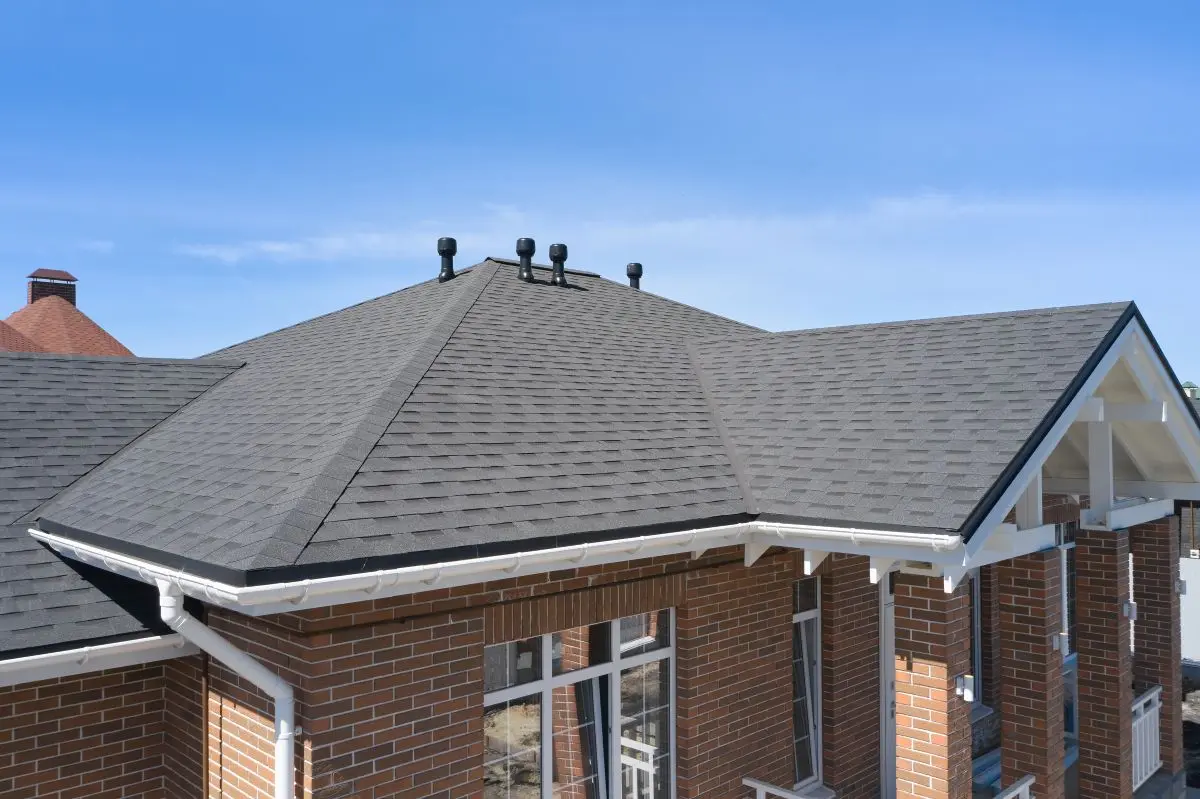
3. What Roofing Material Do You Have?
Your roofing material affects how panels are mounted and whether special hardware is needed. Asphalt shingle, the most common material in Pennsylvania, is straightforward to work with, while metal, tile, and slate each require specific mounting approaches and expertise. Some materials are more delicate and demand careful handling to avoid damage during installation. Because O’Donnell Solar Co. brings roofing craftsmanship through its sister company, we mount on a range of materials correctly and protect the roof’s integrity and any existing warranty throughout.
- Asphalt shingle: The most common Pennsylvania material and the simplest to mount on.
- Metal roofs: Compatible with solar but require specific mounting hardware.
- Tile and slate: Workable but more delicate and demanding of expertise.
- Roofing expertise: Our craftsmanship protects the roof and its warranty.
4. How Old and Sound Is Your Roof Right Now?
The current age and soundness of your roof determine whether to install now or replace first. A system meant to last 25 years or more belongs on a roof with comparable remaining life, so pairing solar with a roof that is near the end of its service life invites an avoidable future expense. If your roof is due for replacement, doing that work before solar gives the array a clean, durable foundation. As a roofing and solar company under one roof, O’Donnell Solar Co. can coordinate both so the transition is seamless and your investment stays protected.
- Match the lifespans: The roof should last as long as the solar system.
- Replace when due: An aging roof is best replaced before installation.
- Avoid double cost: Installing on an old roof can force a future removal and reinstall.
- Coordinated work: We handle roofing and solar together for a seamless result.
5. Are There Local Codes and Permits to Meet?
Local building codes and permit requirements shape what your installation must satisfy. Setback rules, fire-access pathways, structural reviews, and utility interconnection standards vary by municipality and utility across Southeastern Pennsylvania, and meeting them is required before a system can be activated. An experienced local installer knows the requirements in each township and manages the paperwork on your behalf. O’Donnell Solar Co. handles permitting and interconnection locally, keeping you informed at each step rather than leaving you to navigate it alone.
- Setbacks and pathways: Codes often require clear fire-access space on the roof.
- Structural review: Some jurisdictions require an engineering sign-off.
- Interconnection: Utility standards must be met before activation.
- Local know-how: We manage municipal permits and utility paperwork for you.
Frequently Asked Questions
What are the basic roof requirements for solar panels?
A roof needs enough remaining lifespan to match a 25-year-plus system, sound structure to carry the added weight, adequate unshaded space, and a workable orientation and pitch. Most homes meet these requirements, though an aging or heavily shaded roof may need work or a custom solution first. A professional assessment confirms whether your specific roof qualifies.
How old can my roof be to install solar panels?
A roof should generally be no more than five to seven years old, or newly replaced, before installing solar. Because panels last 25 years or more, the roof beneath them should have comparable remaining life. If your roof is older, replacing it first avoids the cost of removing and reinstalling the array later.
Does my roof have to face south for solar panels?
No, your roof does not have to face south, though south-facing roofs produce the most electricity in Pennsylvania. East- and west-facing roofs typically lose only about 10 to 15 percent of production and still make solar worthwhile. Minimizing shade usually matters more than orientation alone.
Can my roof be too weak for solar panels?
Yes, a roof can be structurally inadequate, though most sound roofs handle solar easily. Panels add roughly two to four pounds per square foot, and older or damaged framing may need evaluation or reinforcement. A professional structural review confirms your roof can carry the system safely.
What if my roof is not suitable for solar panels?
If your roof is not suitable, you still have options. An aging roof can be replaced first, and a shaded, oddly pitched, or space-limited roof can often be served by a custom ground mount or pergola. O’Donnell Solar Co. specializes in these tailored solutions when a standard rooftop array will not work.
What areas in Pennsylvania do you serve?
O’Donnell Solar Co. serves Phoenixville, West Chester, Malvern, Berwyn, Chester Springs, Exton, Collegeville, Royersford, Kennett Square, and Wayne, among others. More broadly we cover Chester, Delaware, Montgomery, Bucks, Philadelphia, Lehigh, and Lancaster counties. We serve Southeastern Pennsylvania and Southern New Jersey.
Why O’Donnell Solar Co. Is the Right Choice for Assessing Your Roof
When it comes to whether your roof is ready for solar, you want a local team that understands both roofing and solar, and that is exactly where O’Donnell Solar Co. stands apart. As a family-owned company operating since 2006 and the sister company to a roofing business with more than a century of craftsmanship behind it, we assess roof age, condition, structure, orientation, and material honestly, and we only install when your roof can support the system for its full life. We were doing this before the hype, we handle the custom work other companies avoid, and we give straight answers about what your specific roof needs rather than pushing a sale. That combined roofing and solar expertise is how we protect the investment that shelters your family. If you want an honest evaluation of your roof requirements for solar anywhere across the Main Line or Southeastern PA, reach out to O’Donnell Solar Co. for a free consultation.