Solar Panel Cost in Pennsylvania (2026 Pricing Guide)
Solar panel cost Pennsylvania homeowners face in 2026 typically lands around $2.63 per watt installed, which puts a common residential system in the low-to-mid $30,000s before any incentives. Understanding what drives that number, from system size to equipment quality to your roof, is the difference between an informed investment and an expensive surprise. This guide breaks down current 2026 pricing in the Keystone State, what shapes your final quote, and how to evaluate solar honestly as a long-term decision.
Here is what you will learn:
- Real 2026 pricing: What solar actually costs per watt and by system size in Pennsylvania right now.
- Cost drivers: Why two homes of the same size can receive very different quotes.
- Honest value framing: How to weigh payback and long-term savings now that the federal tax credit has expired.
How Much Do Solar Panels Cost in Pennsylvania in 2026?
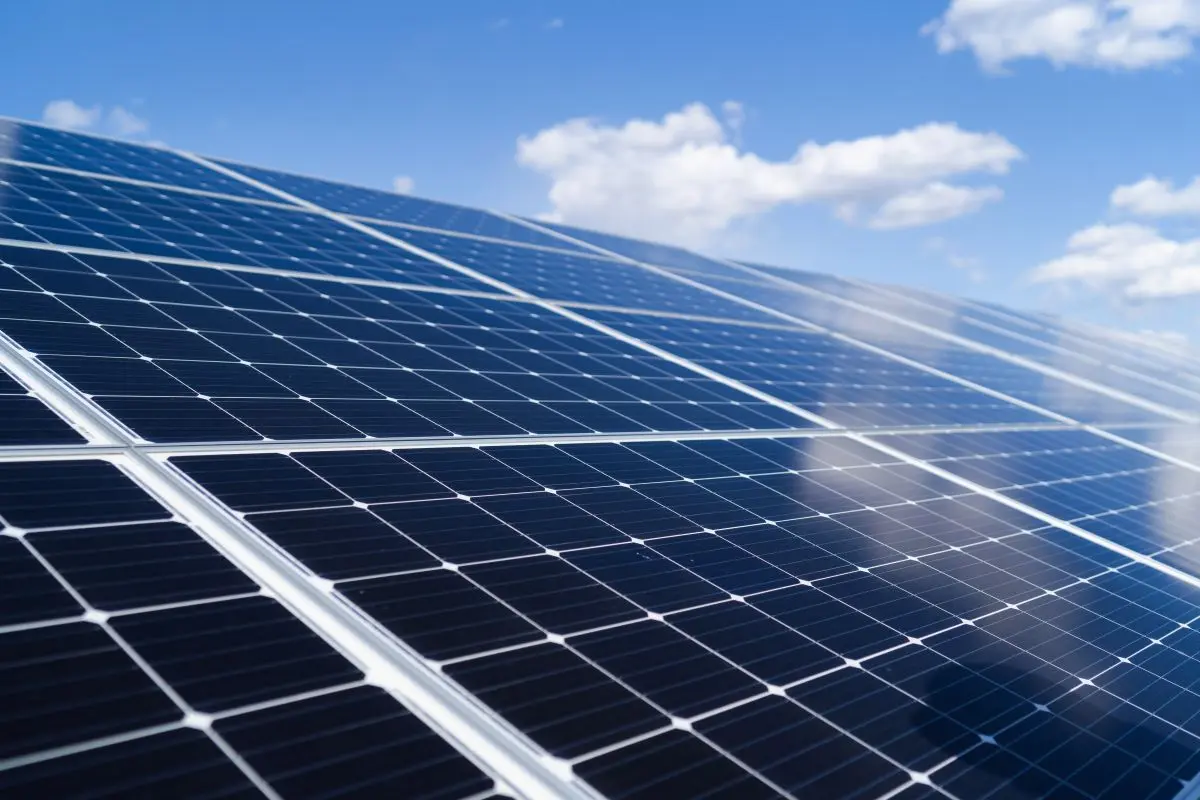
The cost of solar panels in Pennsylvania in 2026 averages about $2.63 per watt installed, before any incentives. That per-watt figure is the clearest way to compare quotes, because it controls for differences in system size between one home and the next.
What Is the Average Solar Panel Cost in Pennsylvania Right Now?
The average Pennsylvania solar installation in 2026 runs roughly $33,742 for a 12.82 kW system before incentives, with typical pricing ranging from about $28,681 to $38,803. According to EnergySage, which tracks real quote data from its marketplace, the statewide average is $2.63 per watt as of June 2026, and homeowners are projected to save around $63,199 over a 25-year system lifetime. These figures give a realistic starting point, though your own quote depends on the specifics of your home and energy use. O’Donnell Solar Co. builds every estimate around your actual property rather than a one-size-fits-all package.
- Per-watt rate: Pennsylvania averages about $2.63 per watt installed in 2026.
- Typical system cost: A common 12.82 kW system runs roughly $33,742 before incentives.
- Realistic range: Most comparable systems fall between about $28,681 and $38,803.
- Long-term savings: Average projected 25-year savings approach $63,199 statewide.
How Does System Size Change the Price?
System size is the single largest factor in your total cost, because you pay for capacity measured in watts. A larger array produces more electricity and raises the total system cost in absolute dollars, even though bigger systems often carry a slightly lower price per watt. Pennsylvania homeowners commonly install systems between 5 kW and 13 kW, with the average system size varying based on household energy needs and available space. Right-sizing a home solar system to your real consumption and roof space is where an honest local installer earns their value, because an oversized array wastes money and an undersized one leaves savings on the table.
- 5 kW system: Roughly $13,165 in Pennsylvania at current average pricing.
- 8 kW system: Roughly $21,064, a common fit for mid-sized households.
- 10 kW system: Roughly $26,330 for higher-usage homes.
- Right-sizing matters: Matching capacity to your real usage protects your return on investment.
What Affects the Cost of Solar Panels in Pennsylvania?
Several factors beyond raw system size move your final price up or down. Understanding them helps you read a quote critically and spot where a number comes from.
Why Do Two Similar Homes Get Different Quotes?
Two similar homes get different solar quotes because many factors affect solar installation costs, from equipment and roof complexity to permitting and installation details. Premium panels and microinverters cost more up front but can deliver stronger long-term performance and better warranties; monocrystalline panels are typically more efficient and more expensive than polycrystalline panels, while a steep, multi-level, or shaded roof takes more labor and hardware than a simple south-facing plane. Custom work that other companies avoid, such as ground mounts, pergolas, or hidden conduit routing, also factors into the design. Adding battery storage can significantly raise total system cost and should be priced separately within a solar panel system quote. O’Donnell Solar Co. is the solar installer willing to do that tailored work, and we explain exactly what each line of your quote pays for.
- Equipment tier: Premium panels and inverters raise upfront cost but improve output and warranties.
- Roof complexity: Pitch, height, and obstructions change labor and mounting requirements.
- Custom design: Ground mounts, pergolas, and concealed wiring add tailored capability.
- Transparency: A clear, itemized quote shows where every dollar goes.
How Do Pennsylvania Permits and Interconnection Affect Cost and Timeline?
Local permitting and utility interconnection shape both the price and the schedule of a Pennsylvania solar installation. Permit fees, inspection requirements, and interconnection timelines vary by municipality and utility, and much of the overall timeline is spent waiting on the utility rather than on physical work at your home. A new installation generally takes about 8 to 12 weeks from signing to activation, largely because of interconnection. Knowing this up front sets honest expectations, and O’Donnell Solar Co. keeps you informed at each stage rather than going silent after the contract is signed.
- Permit fees: Vary by municipality and are typically a small share of total cost.
- Interconnection wait: Utility approval drives much of the 8-to-12-week timeline.
- Inspections: Local and utility reviews are required before activation.
- Clear communication: You hear from a named local contact throughout the process.
6 Factors That Shape Your Solar Investment in Pennsylvania
Before comparing quotes, it helps to understand the five factors that most influence what you pay and what you get back. The following considerations help homeowners across Phoenixville, West Chester, Malvern, and the broader Main Line plan with confidence.
1. How Much Electricity Do You Use?
Your electricity usage is the foundation of correct system sizing and therefore your cost, since your energy bills and overall energy needs determine how large the array should be. The more kilowatt-hours you consume each year, the larger the system you need to offset your electricity bills, and homes that use more energy and have monthly electric bills around $200 or more tend to see the strongest long-term value from solar. Reviewing twelve months of utility bills gives the clearest picture of your true demand and helps estimate a suitable solar energy system based on actual consumption. O’Donnell Solar Co. uses your real consumption data to size a system that fits, rather than upselling capacity you will never use.
- Annual usage: Twelve months of bills reveal your true energy demand.
- Bill threshold: Monthly bills near $200 or more make a strong financial case.
- Accurate sizing: Real usage data prevents costly oversizing.
- Honest scope: We recommend the capacity you need, not the most we can sell.
2. What Equipment Quality Do You Choose?
Equipment quality directly shapes both upfront cost and long-term performance. Higher-efficiency panels and quality inverters cost more initially but can generate more electricity over a 25-year-plus lifespan and come with stronger warranties. Cutting corners on equipment to win a low bid often signals an installer relying on an unsustainable model, which matters when you will depend on that company for decades. O’Donnell Solar Co. installs quality components and stands behind the work, including a 25-year workmanship warranty on CertainTeed Solstice systems.
- Panel efficiency: Higher-efficiency modules produce more power per square foot.
- Inverter choice: Quality inverters improve reliability and long-term output.
- Warranty strength: Better equipment carries longer, more meaningful coverage.
- Long-haul support: You will rely on your installer for 25 years or more.
3. What Condition Is Your Roof In?
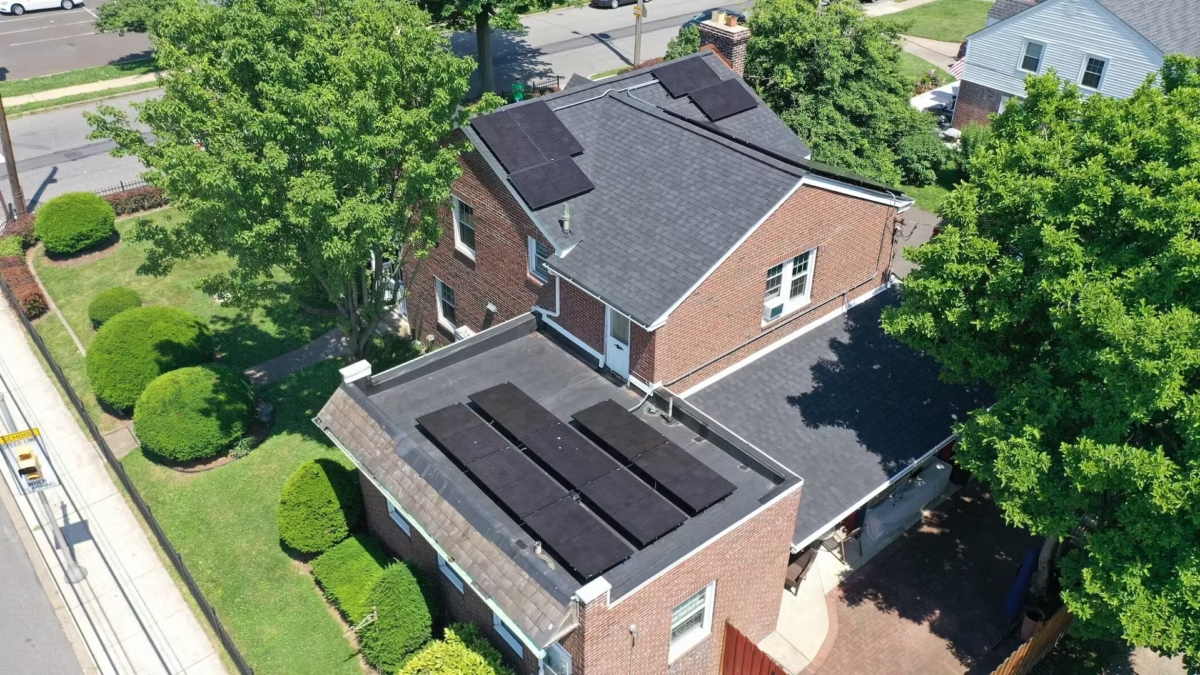
Your roof’s condition and roof orientation affect both the cost and the wisdom of installing solar now. A system lasts 25 years or more, so it belongs on a roof with comparable remaining life, generally one no more than five to seven years old, and strong sun exposure also matters when deciding whether the roof is a good solar candidate. Installing on an aging roof risks paying later to remove and reinstall the array when the shingles fail. As the sister company to O’Donnell Roofing, we assess roof health honestly and only install when the roof can support the system for its full lifespan, which protects your investment from avoidable future cost.
- Roof age: A roof one to five years old is the ideal candidate for solar.
- Avoid double cost: Installing on an old roof can force a future removal and reinstall.
- Roofing expertise: Our roofing heritage informs an honest roof assessment.
- Investment protection: We only install when the roof will outlast the system’s start.
4. How Will You Pay for Your System?
How you pay shapes your total long-term cost and the value you keep. Paying cash avoids financing interest, while a loan spreads the cost over time so monthly payments can start below your current electric bill. O’Donnell Solar Co. offers financing through our partner Atmos and only sells systems that homeowners own outright, never leases, because ownership keeps the energy savings and the home equity with you rather than a third party. Owning your system also avoids the lease-transfer complications that can slow a future home sale.
- Cash purchase: Avoids interest and delivers the strongest lifetime return.
- Financing option: Available through our partner Atmos to spread the cost.
- Ownership only: We sell systems you own, never lease arrangements.
- Equity stays home: An owned system adds value that belongs to you.
5. What Do Incentives Look Like in 2026?
Incentives in 2026 look different than in prior years, and honest expectations matter. The federal residential solar tax credit, long a major selling point, expired at the end of 2025 and is no longer available to Pennsylvania homeowners who buy a system with cash or a loan. This lengthens payback periods compared with recent years, which is why the real value of solar today rests on energy independence, predictable long-term costs, and protection from rising utility rates rather than a one-time credit. O’Donnell Solar Co. frames the numbers honestly so you can decide whether solar is right for you.
- Federal credit expired: The 30% residential credit is no longer available for cash or loan purchases.
- Longer payback: Without the credit, payback periods have lengthened.
- Value today: Independence and fixed long-term costs drive the case for solar now.
- Honest math: We show you realistic numbers, not inflated promises.
6. How Much Sun and Shading Does Your Property Get?
The amount of sunlight your roof or property receives directly affects how much power your system produces and, therefore, the cost-effectiveness of your investment. Pennsylvania gets fewer peak sun hours than southern states, so orientation and shading matter, with south-facing surfaces and minimal tree or chimney shading delivering the strongest output. Heavily shaded roofs may need a larger system or a custom solution to hit the same production, which changes the math. O’Donnell Solar Co. evaluates your specific exposure and designs around it, including ground mounts and pergolas when the roof alone will not deliver the production you need.
- Orientation: South-facing surfaces generate the most electricity in Pennsylvania.
- Shading impact: Trees and chimneys cut production and can require a larger system.
- Regional climate: Pennsylvania’s peak sun hours factor into correct sizing.
- Custom solutions: Ground mounts and pergolas recover production on shaded lots.
Frequently Asked Questions
How much do solar panels cost in Pennsylvania in 2026?
Solar panels in Pennsylvania average about $2.63 per watt installed in 2026. A typical 12.82 kW system costs roughly $33,742 before incentives, with most comparable systems ranging from about $28,681 to $38,803. Your exact cost depends on system size, equipment, and your roof.
What is the payback period for solar in Pennsylvania?
The solar payback period in Pennsylvania currently averages around ten years, based on statewide quote data. Your own payback depends on your electricity usage, system size, and local utility rates. Without the expired federal credit, payback periods are longer than in recent years.
How long does a solar installation take in Pennsylvania?
A new solar installation in Pennsylvania typically takes about 8 to 12 weeks from signing to activation. Much of that window is utility interconnection time rather than physical work on your home. Solar roofs and commercial work generally run 12 to 16 weeks.
Do you offer financing for solar systems?
Yes, financing is available through our partner Atmos, and most homeowners can use it to spread the cost of an owned system over time rather than paying entirely up front. Before choosing a loan, request multiple solar quotes from local installers. We only finance systems you own, never leases, and it still makes sense to compare offers from qualified solar companies.
What areas in Pennsylvania do you serve?
O’Donnell Solar Co. serves Phoenixville, West Chester, Malvern, Berwyn, Chester Springs, Exton, Collegeville, Royersford, Kennett Square, and Wayne, among others. More broadly we cover Chester, Delaware, Montgomery, Bucks, Philadelphia, Lehigh, and Lancaster counties. We serve Southeastern Pennsylvania and Southern New Jersey.
Why O’Donnell Solar Co. Is the Right Choice for Solar in Pennsylvania
When you are weighing the cost of solar in Pennsylvania, you want a local team that gives you honest numbers and stands behind the work for the long haul, and that is where O’Donnell Solar Co. stands apart. As a family-owned company operating since 2006 and the sister company to a roofing business with more than a century of craftsmanship behind it, we were doing this before the hype, and we build every quote around your actual home rather than a packaged sales pitch.
We sell only systems you own rather than lease, we explain exactly what drives your price, and we frame payback and savings honestly now that the federal tax credit has expired. That transparency, paired with quality equipment and real local accountability, is how we help homeowners make a confident solar decision. If you want a clear, no-pressure breakdown of what solar would cost for your specific home anywhere across the Main Line or Southeastern PA, reach out to O’Donnell Solar Co. for a free consultation and an honest estimate built around your needs.